A small gesture, a big question
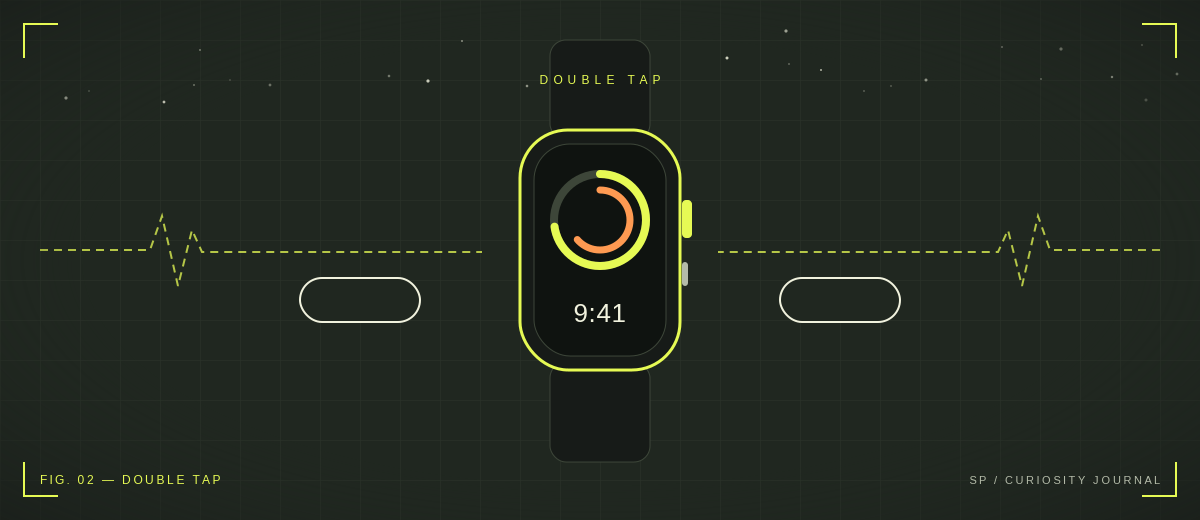
Tap your thumb and index finger together twice, and a compatible Apple Watch (Series 9, Ultra 2, and later) can respond. Source: Apple’s guide to double tap. The part I find fascinating is that the fingers do not need to touch the display. So where is the signal coming from?
Your wrist gives the game away
Apple says the Series 9 version combines readings from the accelerometer, gyroscope, and optical heart sensor. A machine-learning algorithm recognizes a pattern of tiny wrist movements and blood-flow changes associated with the double tap. The Neural Engine processes the signals. It is a combination of sensing and inference, rather than a hidden button in your fingertips. Source: Apple’s explanation of double tap.
The real challenge is deciding when it counts
From a product perspective, recognizing a gesture once is only the beginning. The more interesting design question is how to make an intentional gesture easy while avoiding accidental commands during ordinary movement. It’s the difference between a clever demo and an interaction people trust.
Why I keep coming back to it
This is exactly the kind of technology I like learning about: a useful interaction emerging from hardware, software, and knowledge of human behavior. The visible action takes a moment. The engineering that makes it feel obvious is doing much more work.
Sometimes the best new interface is a better interpretation of signals you already have.
Something here sparked another question?
Let’s talk about it